Hemet highlight
Historic agricultural tradition in the San Jacinto Valley
The San Jacinto Valley where Hemet sits was transformed by irrigation infrastructure that made large-scale farming possible.
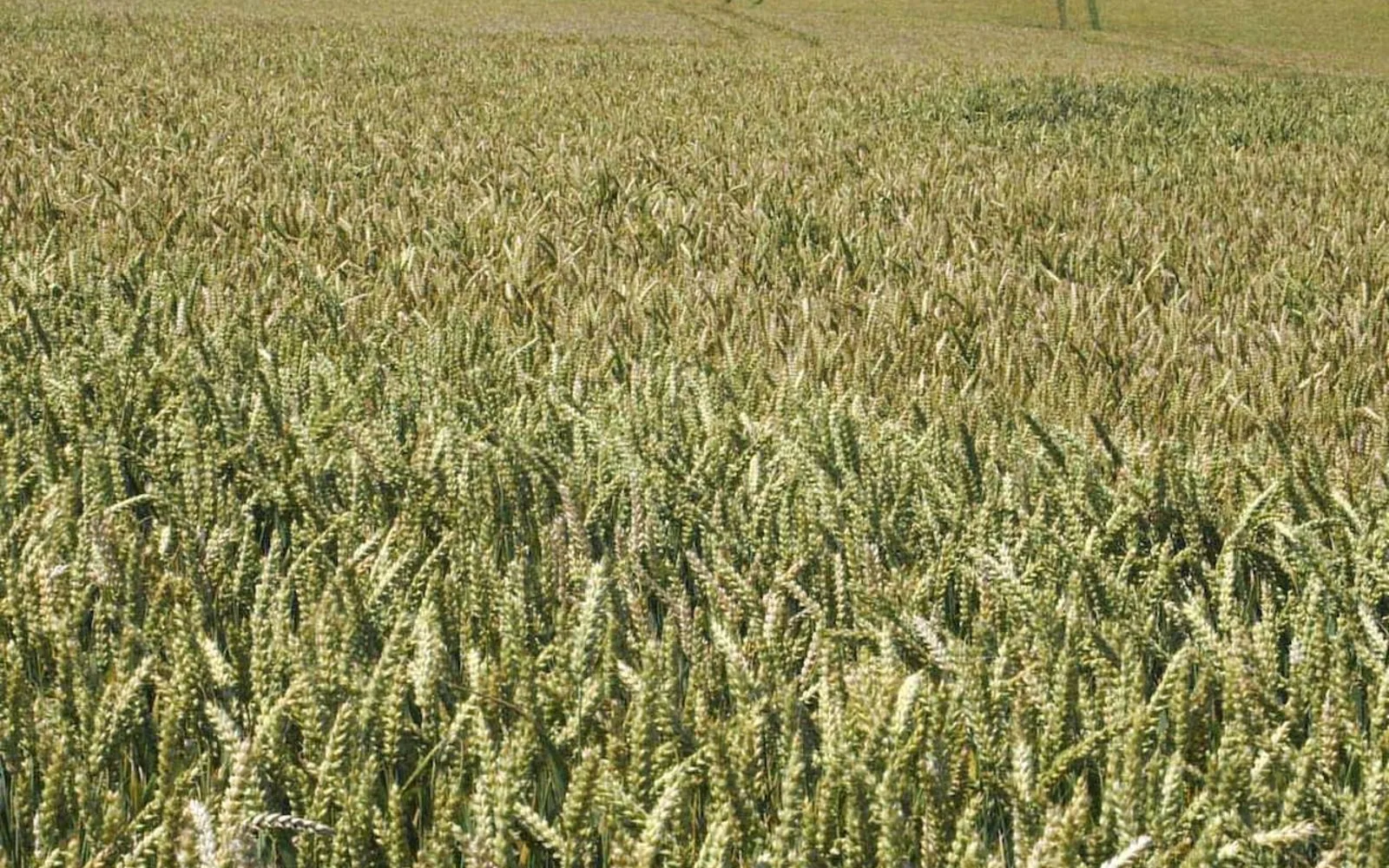
The land around Hemet was long used for grazing and subsistence farming, but it became a center of commercial agriculture after irrigation arrived. In the 1880s and 1890s, developers built a system of dams and canals to capture and direct water through the valley, with Lake Hemet Dam, completed in 1895, serving as the cornerstone. The dam was an engineering milestone—at the time it was the largest solid masonry dam in the world.
That irrigation network opened the valley to crops including citrus, apricots, peaches, olives, and walnuts. For much of the twentieth century, Hemet and its surrounding communities relied on agriculture as their economic foundation. Though the landscape has changed and the local economy has diversified, the valley's agricultural history remains part of its identity and its connection to the land.
Families in Hemet often have deep ties to the community and to each other—whether through work, neighbors who have known each other for generations, or children who will grow up in the same place. Those connections are what life insurance protects. A policy sized to what you've built and who depends on it keeps your family's plans intact if the unthinkable happens.